Prof. Łukasz Małek
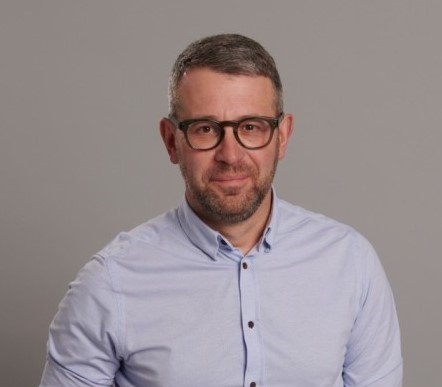
He is a sports and preventive cardiologist with extensive expertise in cardiovascular imaging, particularly cardiac magnetic resonance (CMR). He currently serves as Professor at the Faculty of Rehabilitation of the University of Physical Education in Warsaw and leads the Sports Cardiology Clinic at the National Medical Institute of the Ministry of the Interior and Administration in Warsaw, Poland. His clinical and academic work focuses on the intersection of cardiovascular imaging, sports cardiology, and cardiovascular disease prevention. He has completed an MSc in Sports Cardiology at St George’s, University of London, complementing his clinical training with specialized expertise in the cardiovascular evaluation of athletes. His scientific interests include the clinical applications of CMR, cardiovascular adaptations to exercise, epidemiology of cardiovascular diseases, and strategies for primary and secondary prevention. He has authored or co-authored more than 200 scientific publications with a cumulative impact factor exceeding 500, and his work has been cited more than 4,000 times (h-index 33, i10-index 91). His research includes studies on cardiomyopathies, imaging-based risk stratification, and cardiovascular responses to exercise, including work on hypertrophic cardiomyopathy and cardiac imaging biomarkers. Earlier in his career, he participated in the large international Occluded Artery Trial (OAT), leading one of the per-protocol sub-analyses, and gained additional experience as a medical advisor in the pharmaceutical industry. He has collaborated with leading cardiovascular researchers from the United States, the United Kingdom, the Czech Republic, Italy, and Brazil, contributing to multidisciplinary and international research initiatives. In addition to his research activities, he has been actively involved in the scientific and educational work of several Sections and Committees of the Polish Cardiac Society. Through his clinical practice, academic work, and international collaborations, he contributes to advancing the understanding of cardiovascular health in both athletes and the general population, with particular emphasis on modern imaging techniques and prevention-oriented cardiology.